Who it is for
Students of classical vocal music — from those building a foundation to singers deepening their raga repertoire — who are ready for disciplined, regular practice and can attend classes in person at the Jaipur campus.
Vocals
Hindustani Classical Vocal
A disciplined, in-person study of raga, taal and voice culture in the Hindustani tradition.
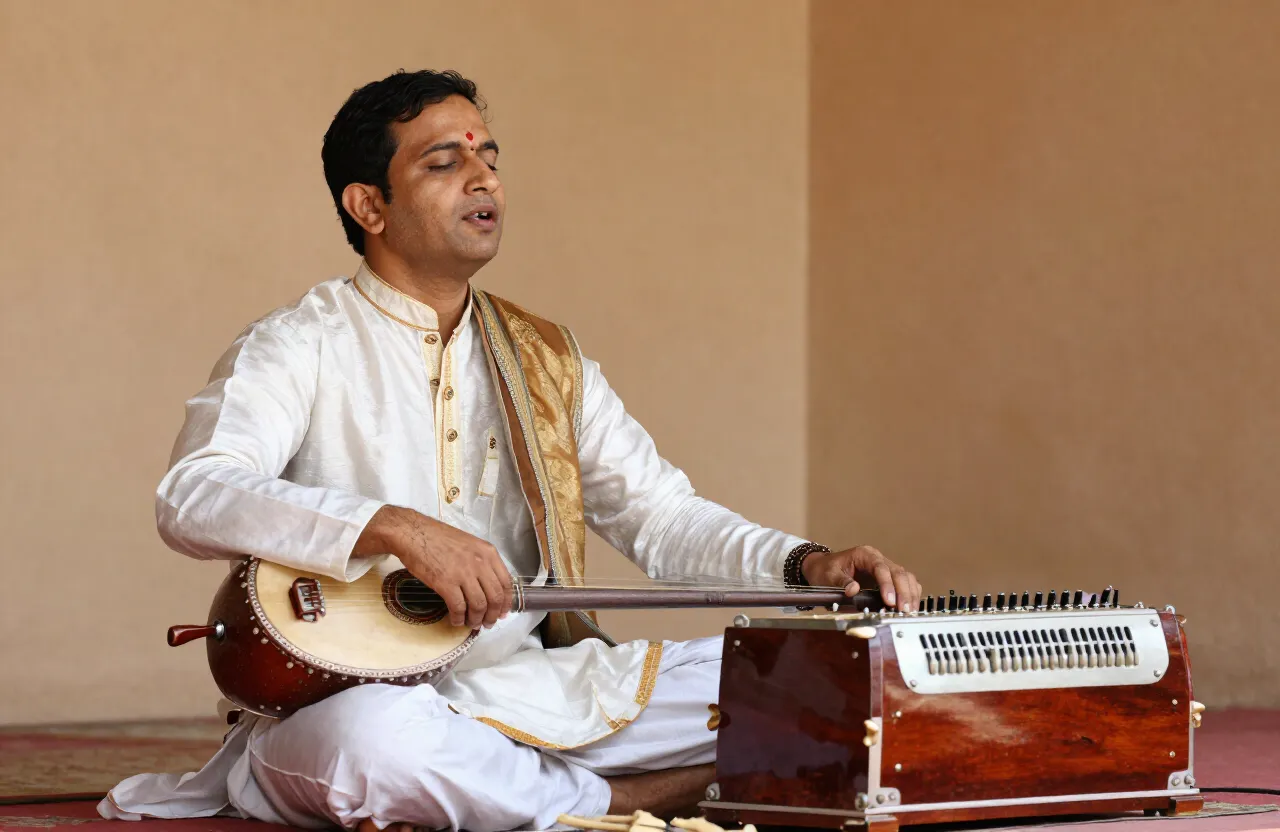
At a glance
Hindustani Classical Vocal is a disciplined, in-person study of raga, taal and voice culture. Students build a foundation in swara, alankar and bandish, developing the control, expression and daily riyaz habit that classical singing demands You study swara saptak & voice cultivation, alankar patterns & palta practice, raga study: structure, arohana-avarohana & pakad, layakari & taal (vilambit, madhya, drut). It runs 1 year, on campus. The programme fee is ₹50,000.
Overview
Hindustani Classical Vocal is a disciplined, in-person study of raga, taal and voice culture. Students build a foundation in swara, alankar and bandish, developing the control, expression and daily riyaz habit that classical singing demands. The programme is taught on campus at the Jaipur studio, where guided vocal work happens face to face with the faculty.
Students of classical vocal music — from those building a foundation to singers deepening their raga repertoire — who are ready for disciplined, regular practice and can attend classes in person at the Jaipur campus.
This is an offline, in-person programme. The programme covers classroom teaching, studio work, recording sessions and academy events. Learning is practice-led with guided vocal work in the studio alongside the faculty. Confirm the current class schedule and whether individual or group format applies with admissions.
Build a strong, controlled and expressive classical voice.
Curriculum
These subject areas describe the scope of the programme. They are topic areas, not a confirmed syllabus — the academic team publishes the official curriculum, software, equipment and assessment structure. Ask admissions for the current confirmed details.
Voice cultivation, breath, resonance and the swara saptak that grounds classical singing.
Structured swara practice and alankar patterns that build precision and agility.
The structure of a raga — its arohana, avarohana and pakad — and how to develop it.
Layakari and taal across vilambit, madhya and drut tempos.
The bandish as the framework for classical performance.
Tan, gamak and meend techniques for extempore development.
Training the ear through guided listening to classical performance.
Building a classical and semi-classical repertoire over time.
Recital practice and performance under realistic conditions. Confirm the current recital format and schedule with admissions.
Understanding the professional landscape for classical vocalists — performance contracts, self-promotion and sustaining a career.
A final recital that demonstrates technical and expressive development, building a performable classical repertoire.
Curriculum
The modules you will move through during the programme. These are indicative topic labels — the academic team publishes the official syllabus, so ask admissions for the current confirmed module structure.
Assessment & tools
The official assessment structure, practical projects, software and equipment for this programme are confirmed by the academic team. Ask admissions for the current details before you rely on them.
Ask admissions how this programme is assessed — practical work, projects, assignments or a combination — and what is required to complete it.
Ask admissions about the practical projects and final work you will build during the programme, and what you will leave with.
Ask admissions which DAW, software and equipment are used for Hindustani Classical Vocal, and what access students get during the programme.
Learning outcomes
These are learning aims, not guaranteed outcomes. Progress depends on practice, attendance and the work you finish.
Build a strong, controlled and expressive classical voice.
Develop a working understanding of raga and taal.
Establish a sustainable daily riyaz practice.
Grow a classical repertoire over time.
Facilities
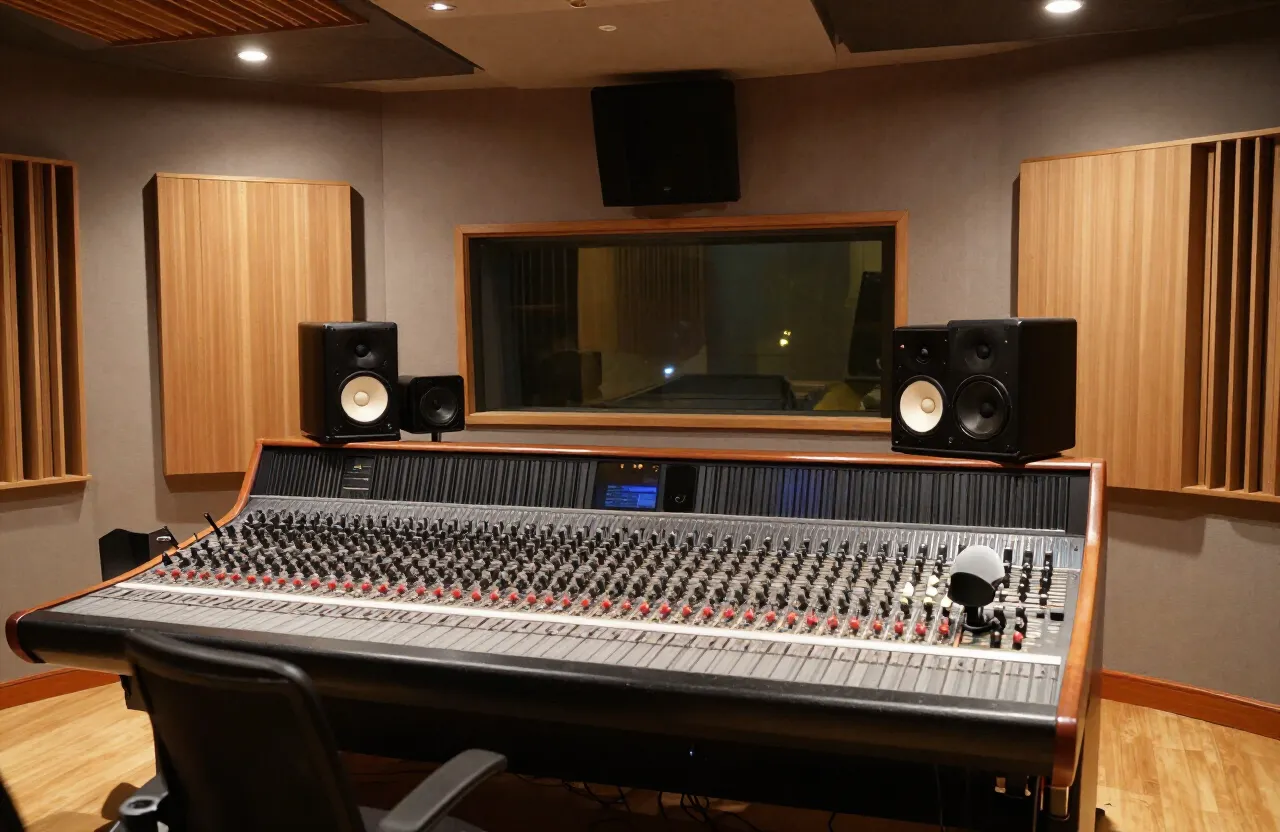
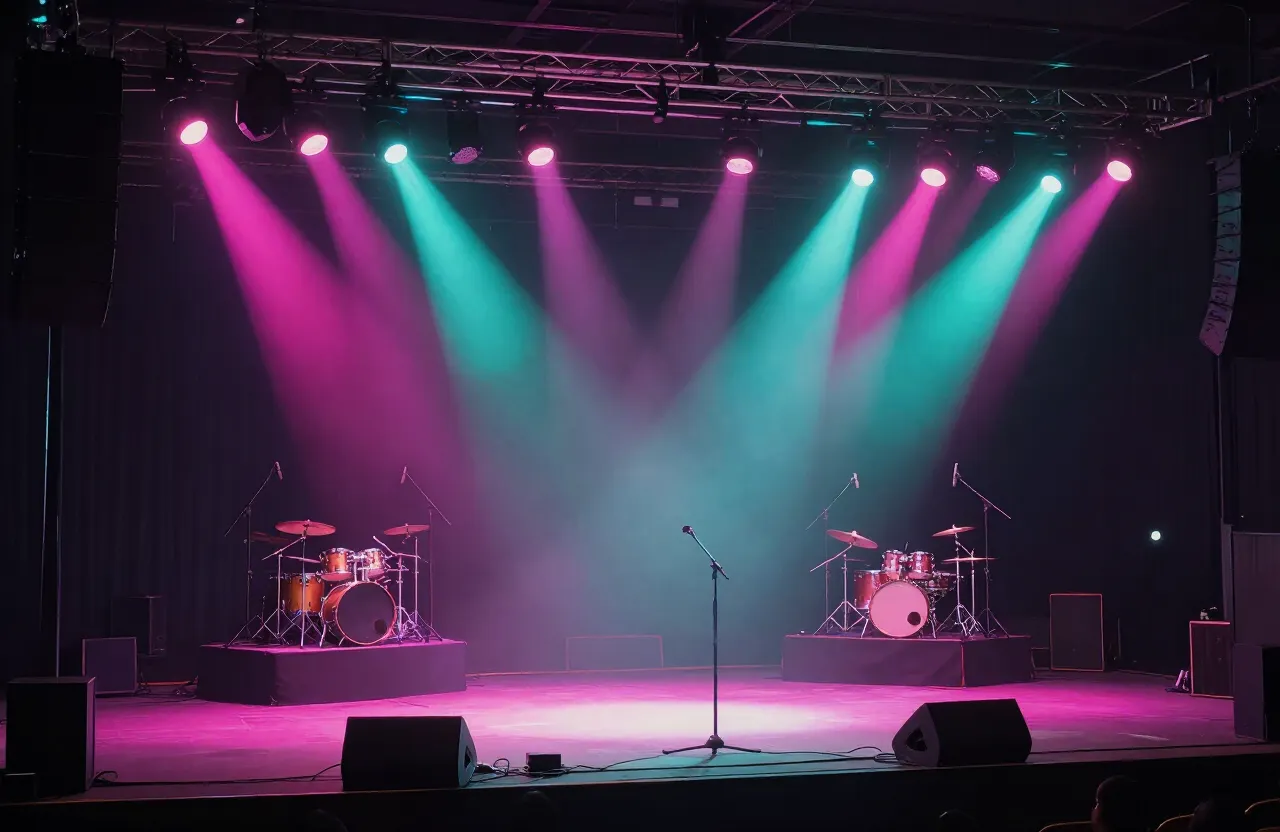
The studios and performance spaces where each programme is taught. Arrange a visit to see the spaces your programme uses.
Faculty
Teacher names, biographies and student projects are not published on this page. Older profiles are not reused. Ask admissions who teaches this programme and what recent student work you can hear.
Career pathways
Career pathways are illustrative and do not guarantee employment or income.
Admission journey
These stages follow the academy’s published contact and application path. They are not a scored entrance calendar.
Call, WhatsApp, or send the prospectus form on this page.
Admissions confirms what the published fee covers and whether this intake is open.
Submit the existing application form when you are ready.
The academy confirms the next step. An interview is not listed unless admissions says one is required.
Enrolment follows a confirmed offer and the fee terms admissions sends you.
Important dates
Intake windows below are confirmed. Exact start days, application deadlines and interview slots are not published — ask admissions for the current calendar.
| Intake | Window | Assessment | Exact date |
|---|---|---|---|
| Every four months | Open intake | Ask admissions | Ask admissions |
| beginning in January | Open intake | Ask admissions | Ask admissions |
Programme fees
The published programme fee is ₹50,000, payable as a one-time payment with no instalments. EMI is available on credit cards only. The fee covers teaching, studio work, recording sessions and academy events.
| Programme fee | ₹50,000 |
|---|---|
| What it covers | Teaching, studio work, recording sessions and academy events. |
| Payment | One-time payment · No instalments · EMI available on credit cards only |
| Scholarships | Not offered. |
| Registration | Included in the stated fee. |
FAQ
Answers use only what is published for this programme. Anything still open is sent by admissions, not guessed on this page.
No prior eligibility requirement is specified.
1 Year
This is an offline, in-person course taught on campus at the Jaipur studio. Confirm the current schedule with admissions.
Admissions open every four months, beginning in january. Ask admissions for the exact start date and any application deadline.
No entrance examination or interview is listed for this programme. An assessment is only required if admissions confirms one. Do not assume a screening step exists.
The programme fee is ₹50,000, payable as a one-time payment with no instalments. EMI is available on credit cards only. It covers teaching, studio work, recording sessions and academy events.
No. The fee is a one-time payment and instalments are not offered. EMI is available on credit cards only. Confirm the current EMI process and any applicable charges with admissions.
Not offered.
This is an offline, in-person programme. The programme covers classroom teaching, studio work, recording sessions and academy events. Learning is practice-led with guided vocal work in the studio alongside the faculty. Confirm the current class schedule and whether individual or group format applies with admissions.
Classical / playback vocalist, Vocal coach / teacher, Performing artist. These are directions of study, not job offers. The academy does not guarantee employment, salaries or industry introductions.
Apply
The programme fee on this page is ₹50,000. Apply when you are ready, or request the prospectus for what that fee covers in writing.
Enquire
This form is stored for the admissions team. It is not a separate CRM. An advisor follows up with programme fit, duration and the current fee structure.
A few honest questions help admissions confirm fit before they call — so your conversation is about next steps, not starting from zero.
Related reading
Guides that help you decide whether Hindustani Classical Vocal fits your goal.
More programmes